Year: 2012

The best of Brussels sprouts

The best of Brussels sprouts

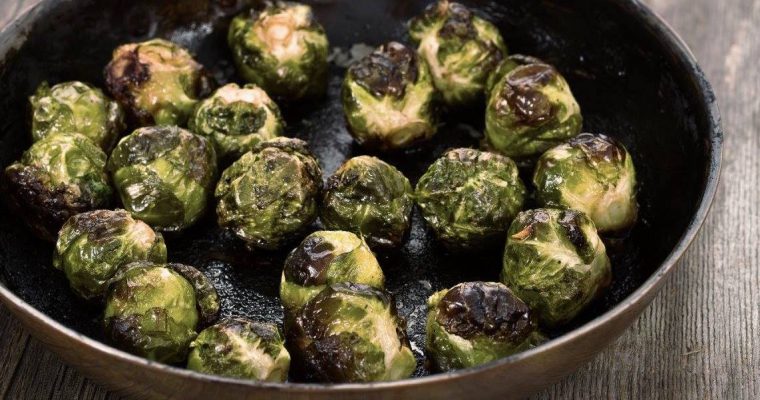
The first time I saw a Brussels sprout, I was instantly smitten. Nothing had ever been so darling as these tiny, emerald cabbages, round and charming and utterly perfect in their smallness. I anticipated my first bite, knowing it would taste of nectar, sweet and 

Six superfoods and how to eat them every day

Six superfoods and how to eat them every day

Salmon is easy enough to include in your meals. Same with heart-healthy walnuts and cancer-fighting tomatoes. But what about fiber-filled wheat germ? How do you make the most of essential fatty acid–rich flaxseed oil? And if you’re not a tea drinker, where can you add 

Cauliflower champ—go floret

Cauliflower champ—go floret

When I was growing up, my relationship with cauliflower bordered on traumatic. We didn’t have it often, but when we did, it was badly mistreated–boiled half to death, in the Southern way with vegetables, and served as a pale, mushy mess on my plate. I avoided it as much as possible. When it turned up in later years, as big raw clumps on salad bars, it did little to win my affection: harsh, aggressive, awkward to eat, I just wanted it to go away.

It wasn’t until I started seriously cooking that I discovered its true beauty. Overcooked or served raw, cauliflower holds little appeal. Handled properly, though, it has a subtle, nutty sweetness and compelling bite that’s hard to beat. And, like other crucifers, cauliflower contains powerful anti-cancer compounds that are especially beneficial for women.

And here’s another thing about cauliflower: it’s endlessly versatile. Thinly slice it into large “steaks,” brush with oil and grill it; puree it with cashews soaked overnight and drained to make a creamy sauce; combine it with cooked potatoes before mashing; finely grate it and use as a grain free sub for cous cous; or blend it into any soup for rich, dairy-free creaminess.
If you suffered similar cauliflower trauma in your youth, try these lighthearted, fresh recipes–and let your healing journey begin.

Ready to be a cauliflower champ? Go floret!

Creamy Cauliflower-Leek Soup with Truffle Oil
Serves 4 to 6

The brilliant green oil swirled on top makes this simple, creamy soup special. You can use tarragon or basil individually, or sub a different soft herb (oregano, marjoram or cilantro). Be careful not to brown the leek during cooking, so you don’t interfere with the delicate color of the soup; you can also peel the potatoes for a velvety texture.
1 small leek, very thinly sliced (white and some pale green)
1 large stalk celery
1/4 cup plus 1 tablespoon olive oil
1 small to medium head of cauliflower, cored and chopped (about 4 cups)
2 small to medium white potatoes, chopped
4 to 5 cups vegetable stock
1/2 to 1 cup almond milk, or pastured, organic cow or goat milk

Cook leek and celery in 1 tablespoon of the oil for 2 to 3 minutes, until just softened (be careful not to brown leek). Add cauliflower, potatoes and 4 cups of the stock; bring to a boil, reduce heat and simmer, covered, until cauliflower is tender, 15 to 18 minutes.

Puree soup in a food processor, in batches if necessary, , adding remaining stock as needed to reach desired consistency.

Rinse pan and return pureed soup to pan. Stir in 1/2 to 1 cup of the milk, to reach desired consistency, and heat through.

Season soup to taste with salt and white pepper. To serve, divide soup between individual bowls and drizzle with truffle oil. Serve immediately.

Cauliflower “Cous Cous” with Pistachios and Figs
Serves 4

Processing cauliflower into tiny “grains” makes a vegetable cous cous alternative that’s perfect for gluten-free or grain-free diets. Amp up the spices, or vary as you’d like: swap cashews or pine nuts for the pistachios, and use apricots, currants or dates in place of the figs. Or eliminate the fruits and nuts, and add cooked chickpeas and toasted cumin seed. Don’t use virgin coconut oil for cooking; it has a lower smoke point and will give the cous cous an “off” flavor.
1 large head cauliflower
2 tablespoons coconut oil
1 small red onion, finely diced
1 teaspoon turmeric
1 teaspoon curry powder
2 tablespoons chopped pistachios
12 tablespoons minced dried figs

Remove core from cauliflower and chop into large florets. Put about a third of the cauliflower in a food processor and pulse until the florets are ground into small bits that resemble cous cous grains. Transfer to a bowl, and repeat with remaining cauliflower.

Heat coconut oil in a medium skillet and cook onions for 2 to 3 minutes, until softened. Add the turmeric and curry, and cook for about 2 minutes.

Add the cauliflower and just enough water to cover the bottom of the pan. Cover the pan, reduce heat to low, and cook for 5 to 7 minutes, until cauliflower is barely tender. Stir in pistachios and figs, and cook, uncovered, for 2 to 3 minutes longer, stirring frequently, until cauliflower is tender and flavors are combined. Season with salt and pepper, and serve.

Cauliflower Steaks with Tomato-Ginger Sauce
Serves 4 to 6

This is a novel way to serve cauliflower; cooked this way, the cauliflower is tender and mild enough to pair with any variety of sauces. My favorites are this tomato-ginger sauce, black olive and caper tapenade, corn and black bean salsa, or a simple balsamic vinegar glaze. Be sure to cut the steaks thick enough that they don’t fall apart, and keep the rest of the cauliflower for soups, or to make cauliflower cous cous (see recipe). We used our summer crop of tomatoes that we’ve put up in jars; you can find jarred tomatoes at your grocery store.
2 medium to large heads of cauliflower
One pint jar of tomatoes
1 1/2 tablespoons finely grated fresh ginger
2 tablespoons sherry vinegar
2 garlic cloves, minced
1/2 teaspoon red pepper flakes
2 to 3 tablespoons olive oil
1/4 cup finely minced cilantro

Preheat oven to 375 degrees.

Remove the very bottom part of the cauliflower stem, being careful to leave on enough stem to hold the florets together. Using a sharp knife, and cutting from the top toward the stem, cut three or four 1/2- to 3/4-inch-thick center slices from each head of cauliflower to make the “steaks.”  Set aside.

Combine tomatoes in a medium pot with ginger, vinegar, garlic and red pepper flakes. Bring to a high simmer, reduce heat and simmer, covered, for 15 to 20 minutes.

While sauce is simmering, heat 1 tablespoon olive oil in a large skillet or saute pan and cook cauliflower in batches  until golden, 2 to 4 minutes per side. Add more oil as needed during batches. Transfer steaks to a baking sheet, sprinkle with sea salt and black peppers, and cook in the oven until just tender, about 15 minutes.

To serve, make a small puddle of sauce in the middle of each plate, and arrange two steaks on top of the sauce. Drizzle with olive oil, sprinkle with cilantro, and serve hot.

Heart Healthy Eating: what you need to know

Heart Healthy Eating: what you need to know

Twenty years ago, doctors advised patients to use margarine, eat pasta and avoid chocolate; now, we know margarine can kill you faster than butter, pasta increases the risk of heart disease and chocolate is really good for you. So what’s the truth about heart healthy 

Sweet! The scoop on natural sugar alternatives

Sweet! The scoop on natural sugar alternatives

Confused by all the “natural” sweeteners on your grocer’s shelves? Here’s the scoop. White sugar from cane or beets is highly refined, with a pronounced, adverse effect on insulin and blood sugar. Natural sweeteners are less refined and rich in naturally occurring minerals, and many 

The No-Pain Diet: Foods to fight fibromyalgia

The No-Pain Diet: Foods to fight fibromyalgia

Remember the last time you had the flu? Most likely, you felt exhausted, sore, achy, and muddled. You couldn’t think straight, it was a task just to drag yourself through the day, 240_F_86837047_pkt0Lut1yA6PEzVm321p1wxcwaqE03Ygand the four days you were sick seemed like a month. If you have fibromyalgia, that’s how you feel almost every day, but unlike the flu, your symptoms don’t go away. And while there’s no cure for the condition, dietary changes can make life easier, even pain-free, for people with fibromyalgia.

Though it seems to be the health news of late, fibromyalgia was first recognized in the 1800s, when it was termed rheumatism. Aches, pains, and flu-like feelings aren’t the only signs: Other symptoms include extreme fatigue, sleep disturbances, difficulty concentrating, and other manifestations that dramatically affect quality of life.

Fibromyalgia is widespread: Almost 10 million people in the United States have the condition, and women are much more likely to develop fibromyalgia than men. According to the NFA, between 75 to 90 percent of those with fibromyalgia are women; that may be because women experience hormone fluctuations which could play a part in the condition.

Or it may be simply that men are less likely to seek help for the vague, flu-like feelings of fibromyalgia, and thus are underdiagnosed. Despite the prevalence of the disorder, causes of fibromyalgia remain unknown. Certain people may be genetically predisposed to developing fibromyalgia, which can also be triggered by extreme stress, physical or emotional trauma, or even another health condition. New research also suggests that a defect in the central nervous system can lead to abnormal sensory processing; in other words, people with fibromyalgia may have a heightened degree of pain perception, so a a sensation that goes unnoticed in the general population may cause them pain.

Because the causes are uncertain, the condition is difficult to diagnose. There’s no blood test or X-ray used to identify fibromyalgia. The characteristic symptoms‹muscle pain, fatigue, sleep disturbances are common to many disorders, and many patients with fibromyalgia frequently have concurrent conditions like arthritis or chronic fatigue, further confounding doctors and making a diagnosis challenging. Generally, fibromyalgia is diagnosed by symptoms alone.

Once fibromyalgia is diagnosed, treatment is usually symptomatic‹that is, there’s no cure for the disorder. As a result, many people have turned to complementary therapies, including hydrotherapy, homeopathy, mindfulness meditation, acupuncture, osteopathy, and magnetic therapy, all of which have been shown to help alleviate pain in people with fibromyalgia, according to a recent study. And like most health conditions, diet is also essential to reducing symptoms.

Dietary changes, especially when they involve eliminating foods that  trigger inflammation, and emphasizing nutrients that are key in  treating fibromyalgia, can be very effective in reducing symptoms of fibromyalgia.

In most cases, finding a specific eating plan is as baffling as diagnosing the disease itself, since no single diet is effective for everyone: Some people can¹t touch fruit or grains, for example, while others do just fine with them. In other words, while we know diet works to help alleviate symptoms in fibromyalgia patients, we just don’t know what that diet is.

Most experts recommend eliminating trigger foods that have been shown to aggravate fibromyalgia symptoms. Aspartame, an artificial sweetener found in Equal and many popular sugar-free products, stimulates pain receptors in the brain. So does monosodium glutamate (MSG). Sugar and white flour can upset blood sugar, increase fatigue, and encourage yeast overgrowth. Caffeine exacerbates sleep disturbances and stresses the adrenal glands. And some people with fibromyalgia react strongly to wheat,corn, and soy, probably from hidden food sensitivities.

The best approach is to learn how your own body responds to suspicious foods. To do so, eliminate potential triggers, then reintroduce them one at a time to see if they provoke a reaction (see “Pulling The Triggers,” below).

Though trigger foods vary from person to person, some foods and nutrients have been shown to be beneficial in helping lessen pain and the other symptoms of fibromyalgia in most people with the condition. People with fibromyalgia almost always have inflammation, so it’s crucial to include anti-inflammatory foods, like ginger and turmeric, in the diet. Same goes for protein-rich foods, like beans, fish, and lean meat, which help to keep blood sugar levels steady. In some cases, increasing the amount of food containing these nutrients is sufficient to improve symptoms; in other cases, supplements may be necessary. Start by eating more of the following nutrients, then add the following supplements if necessary:

Omega-3 fatty acids reduce inflammation, help brain and joint function, and can relieve pain. In one study, people with back and neck pain who used non-steroidal anti-inflammatory drugs (NSAIDS) took 2,400 mg of omega-3s along with their regular NSAIDS for two weeks, and then took 1,200 mg of omega-3s instead of NSAIDS. At the end of the study, 60 percent of the patients reported a reduction in their pain levels, and 59 percent stopped using NSAIDS altogether. The omega-3s reduced pain by inhibiting inflammation, which is central to the treatment of fibromyalgia.  Find omega 3 fats in: salmon, tuna, sardines, mackerel, anchovies, herring, flax, walnuts, hemp, and eggs fortified with DHA.

Magnesium acts as a muscle relaxant to help ease pain; the nutrient also encourages sleep. Most people with fibromyalgia have low levels of magnesium, because stress, hormonal disruptions, and sleep disturbances‹all common symptoms in patients with fibromyalgia‹deplete magnesium levels. Magnesium deficiency is also associated with increased inflammation and increased levels of substance P, a neurotransmitter produced in response to stress that makes the body more susceptible to pain. In fact, a lack of magnesium is often the single, biggest factor in exacerbating the symptoms of fibromyalgia. People with fibromyalgia should get 400 to 1,000 mg of magnesium per day. Find it in: halibut, pumpkin seeds, white beans, black beans, spinach, beet greens, lentils, lima beans, cashews, almonds, and leafy greens.

Vitamin D deficiency has been linked to fibromyalgia and other immune-system disorders, including lupus, multiple sclerosis, and chronic fatigue syndrome. About 90 percent of people with fibromyalgia have low vitamin D levels. It’s unknown if that’s a cause of the condition or a result, but vitamin D does work as an immune modulater, meaning it prevents the immune system from becoming overactive and attacking other cells, which can improve symptoms.

In any case, vitamin D is crucial for treating lowered immunity and osteoarthritis, both of which are common in people with fibromyalgia, in addition to improving overall general health. In the winter, it’s hard for the body to make enough of the nutrient from exposure to the sun; in the summer, 10 minutes outside in the midday sun is enough for most people. Find it in: salmon, tuna, sardines, fortified juices, fortified milk alternatives like rice milk, and dairy products. Note: dairy is a common trigger; if you suspect that you have any dairy sensitivities, eliminate it as a potential trigger.

Vitamin B12. Low levels of Vitamin B12 have been shown by research to worsen fibromyalgia pain. For this reason and also because vitamin B12 deficiency can lead to fatigue and diminished cognitive function, adequate intake of the nutrient is crucial for people with fibromyalgia to avoid compounding symptoms and to help prevent deficiency. Vitamin B12 also decreases levels of homocysteine, an inflammatory amino acid that is often found in elevated amounts in people with fibromyalgia. Aim for 1000 mcg of B12 a day for fibromyalgia. Find vitamin B12 in: clams, oysters, sardines, trout, brewers yeast, turkey, and eggs and dairy.

Antioxidants fight oxidative stress and can help reduce inflammation. Studies specific to fibromylagia have shown that people with the disorder often have reduced levels of common antioxidants vitamin C and E. Other antioxidants have similar effects. In one study, for example, cherries, which are packed with anthocyanins, a potent class of antioxidant that’s also found in berries, lowered blood markers of inflammation by 18 to 25 percent. Find antioxidants in: Dark leafy greens, beets, sweet potatoes, cherries, berries, and green tea.

SIDEBAR

Pulling the triggers

Trigger foods can worsen fibromyalgia symptoms, but what causes pain for
some people may not affect other individuals. The best way to identify your
triggers? Eliminate the following suspicious foods for 10 days to two weeks
to see how your symptoms respond.  If the food is a trigger, you should start to notice a lessening of pain and some improvement of sleep within a week. If symptoms haven’t changed in two weeks, that food probably isn’t a trigger, and you can add it back to your diet.

Red meat
Dairy products
Fried foods
Nightshade vegetables (tomatoes, potatoes, peppers and eggplant)
Raw crucifers, such as broccoli, cabbage, and kale
Citrus
Sulfites (found in wine, dried fruit, and some preserved meats)
Additives, including sugar, artificial sweeteners, and MSG
Coffee and caffeine
White flour and processed foods
Wheat, corn, soy, peanuts, eggs and other common allergens

Sources: Ellie Krieger, MS, RD, author of The Food You Crave: Luscious
Recipes for a Healthy Life (Taunton Press, 2008), and Susan Levin, MS, RD,
director of nutrition education at the Physicians Committee for Responsible
Medicine.
 

Eat to Beat the Blues

Eat to Beat the Blues

It’s so widespread that doctors and researchers have dubbed depression “The common cold of mental illness.” In spite of its frequent manifestation, few good treatments have emerged. Now, researchers are finding that the right balance of nutrients, combined with lifestyle changes can effectively treat depression, 

The Anti-Aging Diet

The Anti-Aging Diet

You can’t avoid getting older, but the foods you eat play a crucial role in keeping your body healthy and your brain functioning well into your senior years. Researchers and anti-aging experts agree that eating an abundance of antioxidants, monounsaturated fats, and omega-3 fats can 

Feed Your Head: Brain-saving foods

Feed Your Head: Brain-saving foods

Feeling a little foggy? It may be a normal part of getting older, or it may be something more serious. It’s typical in aging to lose some mental sharpness. With aging, the brain cells begin to deteriorate, and essential fuels aren’t delivered as efficiently. But Alzheimer’s disease isn’t an inconvenient aspect of getting older; it’s an incurable, degenerative, and ultimately fatal disease

Alzheimer’s is the most common form of dementia; it’s characterized by a buildup of amyloid protein plaques in the brain, tangled bundles of nerve fibers, and the loss of connections between nerve cells in the brain. Symptoms usually appear around the age of 60, and the disease is usually diagnosed in people over the age of 6 5, but it can occur earlier.

And it’s an enormous and troubling problem; current estimates show that as many as 5.1 million Americans may have Alzheimer’s.

The exact cause is unknown, but contributing factors include genetics, lifestyle factors and diet. And while there’s no known cure for Alzheimer’s, you can prevent it—especially if you start early enough.

“Childhood isn’t too soon to start protecting your brain,” says Daniel Amen, M.D., author of Change Your Brain, Change Your Body (Harmony Books, 2010). “And changing habits in adulthood can delay the onset of Alzheimer’s, and may prevent it entirely.”

Start saving your brain today, with these smart steps.

Be a vegan. Saturated fat appears to increase the risk for Alzheimer’s, possibly by compromising blood-brain barrier and allowing harmful substances to enter the brain.1In one study, people who ate smaller amounts of high-fat dairy products, red meat, organ meat and butter had less chance of developing the disease.

Get moving. Study after study points to physical exercise as the most effective way to prevent Alzheimer’s. Doing exercise that increases heart rate for at least 30 minutes, several times a week, appears to inhibit Alzheimer’s-like brain changes, slowing the development of amyloid plaques in the brain, a key feature of the disease.2 Ways to move: ride a bike, go swimming, try skiing, take a brisk walk, play tennis—anything you enjoy that you do consistently, day after day.

Swap sardines for tuna. Both are high in omega-3 fats (like salmon), but sardines are smaller and thus less likely to be contaminated with brain-draining heavy metals that accumulate in the tissues of larger fish. And a recent study found no effect of omega-3 supplements on Alzheimer’s risk, many other studies have shown that people who eat more dietary omega-3 fats have a lower risk.3, 4 Buy the boneless, skinless variety packed in water, and use them like tuna: on top of salads, tossed with cooked pasta, or used in a sans tuna salad wrap (see recipe).

Eat like a bird. Many studies suggest that eating less food decreases overall inflammation in the body.5Other studies have found that restricting calories, especially carbohydrates, may prevent Alzheimer’s by triggering activity in the brain associated with longevity. (But high-fat, high-protein diets won’t work; the study also found that a high caloric intake based on saturated fat would increase risk.)

Mix it up. Because foods aren’t eaten in isolation, one study examined the results of a specific set of dietary patterns.6 It seems that eating a varied diet made up of dark green vegetables, tomatoes, crucifers, nuts, fish, poultry and fruit is the most protective.

Check your B vitamins. In one study, people with elevated levels of homocysteine—an amino acid that’s linked to increased risk of heart disease—had nearly double the risk of developing Alzheimer’s disease.7 The body naturally takes care of excess homocysteine if it has enough folate and B12 vitamins; if you have a family history of Alzheimer’s or other risk factors, consider taking a supplement of folate and B12 to keep homocysteine levels in check. Other supplements that show promise: ginkgo biloba,8 vinpocetine, huperazine A, acetyl-l-carnitine and alpha lipoic acid, says Amen.

Get your five-a-day. Or more: much research shows that free radical damage may lead to Alzheimer’s disease, and antioxidants from fruits and vegetables are one of the best ways to prevent that damage. Start early: a lifelong consumption of fruits and vegetables offers the best protection, says one study.9

Sharpen the saw. “Being bored is not only, well, boring, it is also potentially harmful to the long-term well-being of your brain,” says Amen. “In several new scientific studies, people who do not engage in regular learning activities throughout their lives have a higher incidence of Alzheimer’s disease.” Flex your mental muscles with new experiences: travel to a foreign country, drive a different route to work, learn to play chess, take up a new sport. Or learn to dance: you’ll get exercise, and memorizing moves will stimulate your brain.

Sober up. Alcohol may increase the risk of Alzheimer’s disease, and drugs like marijuana, cocaine, prescription pain killers and benzodiazepines, diminish brain function and damage neurons, says Amen. “Educate kids early about the dangers of drugs and alcohol,” he says. “Adults should avoid recreational drugs, take prescription medications with caution, and limit alcohol consumption to no more than one to two normal-size drinks a week.”

Protect your head. Brain injuries—even those not resulting in concussion—can damage the brain and lead to Alzheimer’s. Helmets only offer partial protection, says Amen. “If your head hits the ground or a hard surface, it shakes the brain inside the skull, with our without a helmet,” he says. “Inside the skull are a whole lot of sharp, boney ridges—and a helmet can’t protect your brain from those.”

Catch some rays. Decreased levels of vitamin D can increase Alzheimer’s risk. The best way to increase levels is exposure to the sun, but wearing sunscreen blocks inhibits the skin’s production of vitamin D. The American Medical Association recommends 10 minutes of direct sun exposure, without sunscreen, several times a week. If you’re fearful of burning, or if you live in a Northern climate with little sunshine, consider a supplement (especially during winter months); the current recommendation is 400 IU a day, but most experts agree that’s too low, and that as much as 2000 IU a day is more appropriate. Get your vitamin D levels checked, and ask your health care provider to recommend the best amount for you.

Rethink your cookware. Though no study definitively links aluminum cookware to Alzheimer’s, many studies confirm that aluminum concentrations in the brain are linked to increased risk of the disease.10 “Aluminum is toxic to brain function and one would assume less is better,” says Amen. If you’re at risk, consider switching to stainless steel cookware, and avoiding other sources of aluminum, such as tap water and aluminum-containing drugs.

SIDEBAR

10 Warning Signs of Alzheimer’s

Simple forgetfulness or the beginnings of dementia? If any of these signs sound familiar, it may be time to seek medical care:

1. Memory loss–forgetting important dates or events, or asking for the same information over and over–that interferes with daily life.

2. Difficulty in solving problems, developing and following a plan, or working with numbers; for example, following a recipe, or keeping track of bills.

3. Challenges in completing familiar daily tasks, like driving to a familiar location, or remembering the rules of a favorite game.

4. Becoming confused about times or locations, like losing track of dates or seasons, having trouble understanding something that’s not happening immediately, or forgetting where they are and/or how they got there.

5. Difficulty understanding visual problems and spatial relationships, like judging distance, determining color or contrast, or passing a mirror in a room and thinking there’s someone else there.

6. Having trouble with words, either in speaking or writing, such as difficulty following a conversation, repeating themselves, struggling with vocabulary, calling things by the wrong name, or having problems finding the right word.

7. Misplacing things, difficulty in retracing steps, or putting things in unusual places.

8. Poor judgment, or decreased capacity for decision making–for example, giving large amounts of money to telemarketers, or poor self-care or grooming.

9. Withdrawing from work or decreased involvement in social activities or hobbies, sometimes because of difficulties remembering how to complete hobbies or tasks.

10. Personality changes, or changes in mood; for example, becoming anxious, fearful, confused or depressed, or becoming easily upset.

High on Acid? Balance your body’s pH

High on Acid? Balance your body’s pH

You had black tea sweetened with agave, low-fat yogurt, and mango for breakfast; lunch was a turkey breast sandwich on whole-grain bread. You snacked on grapes and organic peanuts. But these innocent and healthy-sounding choices may be creating an overly acid condition in your body.